
← So you’re thinking of an EV?
Charging an EV
Fact sheet: charging at home and charging on the road
Section 1: Charging at Home
Charging options
| Option | Power | Range added per hour | Notes |
|---|---|---|---|
Standard 10A power point (Level 1)photo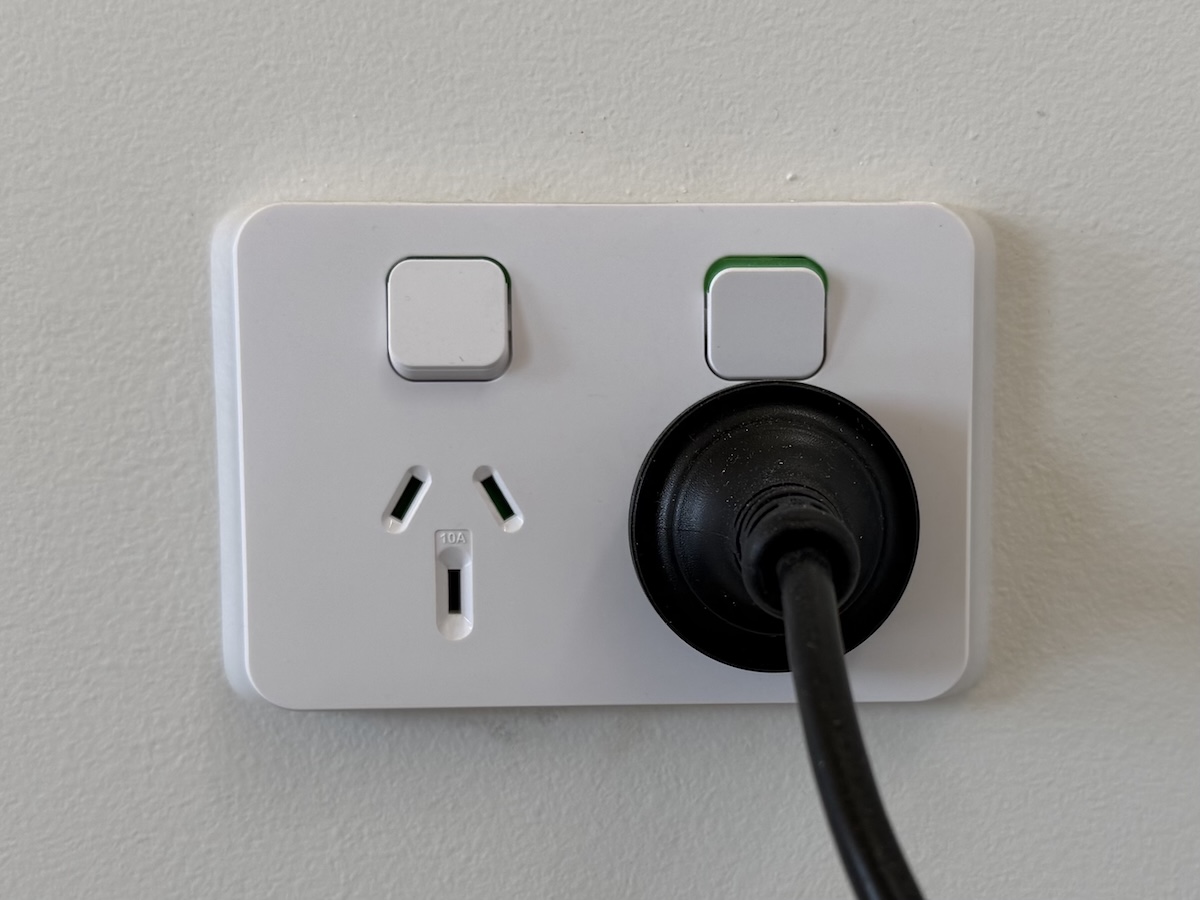 A standard 10A power point (wall socket) | ~2.3 kW | 10-15 km | Uses the portable cable supplied with the car. Fine for occasional or overnight top-ups. |
Home wall charger, single-phase (Level 2)photo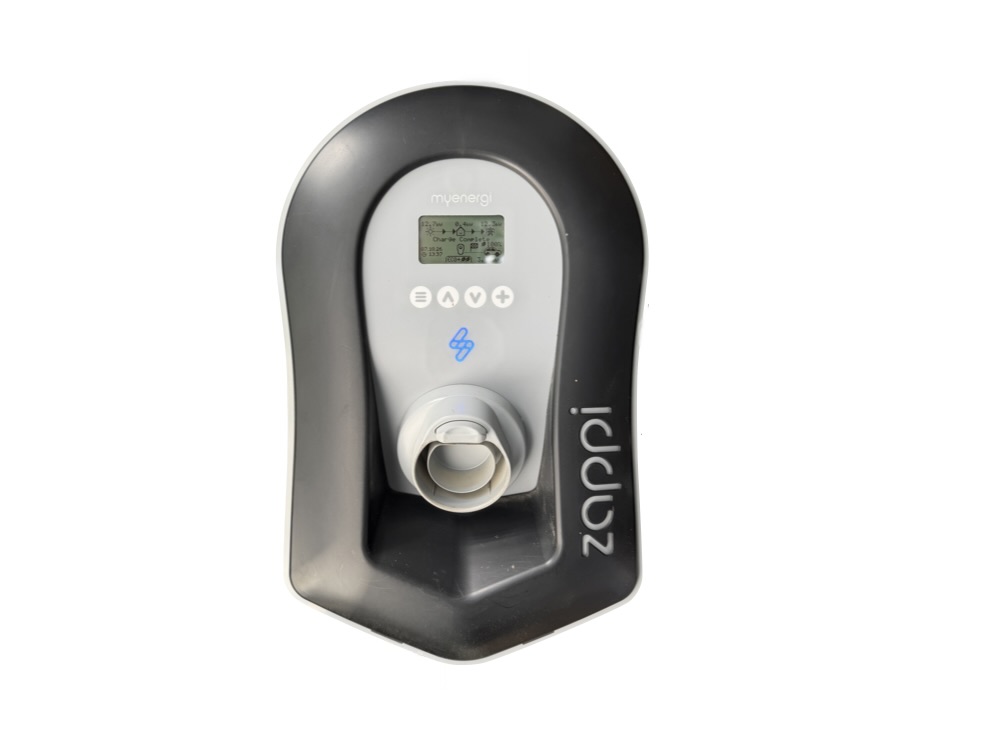 A single-phase home wall charger | ~7 kW | 35-50 km | The most common home setup. Fully charges most EVs overnight. |
Home wall charger, three-phase (Level 2)photo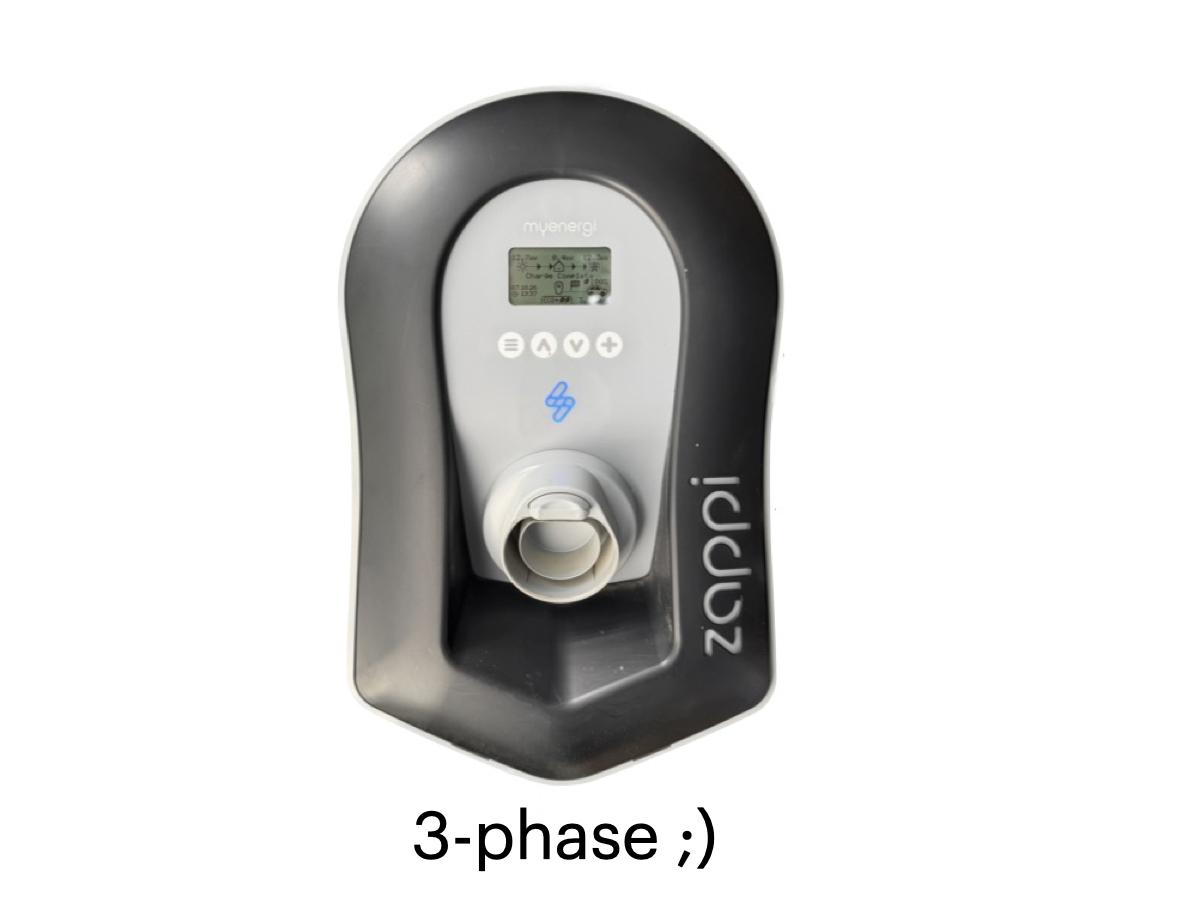 A three-phase home wall charger | 11-22 kW | 60-100+ km | Only worthwhile if your home has three-phase power and your car can accept the higher rate. Many cars cap AC charging at 7-11 kW. |
Key facts
- Plug standard: Australia uses the Type 2 connector for AC charging, and CCS2 for DC fast charging. Tesla vehicles sold here use the same standards. Older Nissan Leafs use CHAdeMO for DC.
- Installation: A wall charger must be installed by a licensed electrician in line with AS/NZS 3000 wiring rules. Ask them to check your switchboard capacity, whether your home is single- or three-phase, and whether a dedicated circuit is needed.
- Avoid extension cords and double adapters for regular charging. EV charging draws sustained high current, so use a dedicated, correctly rated circuit with an RCD (safety switch).
- Cost: An EV typically uses 15-20 kWh per 100 km. At typical Australian retail rates of about 30-40 c/kWh, that is roughly $5-8 per 100 km. Off-peak or time-of-use tariffs can cut this significantly.
- Save more:
- Charge off-peak, using the car's or charger's scheduling feature.
- Charge from rooftop solar during the day.
- Ask your retailer about EV-specific tariffs (see below).
- EV-specific tariffs, retailers offering plans in Victoria (relevant to postcode 3929):
- Engie, EV Night Saver: a super off-peak rate of 6c/kWh for charging between 12am and 6am.
- AGL, Night Saver EV Energy Plan: an overnight discounted rate, listed at 8c/kWh from 12am to 6am.
- Powershop, EV Night and EV Day: available in Victoria, NSW, south-east Queensland and South Australia, with a discounted or free overnight window (EV Night) and free electricity from 12-2pm (EV Day).
- OVO Energy, The EV Plan: 8c/kWh overnight plus free electricity from 11am to 2pm. OVO also has a "Basic Free" plan with a free midday window.
- Red Energy, Red EV Saver: free electricity usage between 12pm and 2pm every Saturday and Sunday.
- Smart and bidirectional charging: Some chargers can track solar surplus or respond to grid signals. Vehicle-to-home (V2H) technology, where the car powers the house, is emerging, but it needs compatible hardware and approvals from your network.
- Apartments and rentals: You'll generally need approval from your owners corporation or landlord. State strata and tenancy rules on EV charging are evolving, so check your state's current rules. Shared-building charging systems with load management are increasingly common.
- Rebates and incentives: These vary by state and change often. Check your state or territory government energy website before buying.
Section 2: Charging on the Road
Types of public chargers
| Type | Typical power | Typical use |
|---|---|---|
| Public AC (Type 2) | 7-22 kW | Shopping centres, car parks, hotels. Good for a few hours' top-up. |
| DC fast | 50-100 kW | Urban and regional stops. |
| DC rapid / ultra-rapid | 150-350 kW | Highway corridors. About 10-80% in roughly 15-40 minutes, depending on the car. |
How to find and use chargers
- Major networks: Chargefox, Evie Networks, Tesla Supercharger (open to many non-Tesla EVs at selected sites), NRMA, Ampol AmpCharge, bp pulse and others. Each has its own app and pricing.
- Finding chargers: PlugShare, network apps, your car's navigation and Google Maps all show locations. A Better Routeplanner is useful for planning long trips.
- Paying: Most chargers use an app or RFID card. Tap-to-pay credit card readers are becoming more common. Setting up accounts with a couple of main networks before a trip saves time.
- Cables: DC fast chargers have tethered cables. Many public AC chargers do not, so carry a Type 2 to Type 2 cable (check your car's connector).
- Pricing: DC fast charging is usually priced per kWh, often around 45-75 c/kWh, while AC is generally cheaper. Some sites charge per minute or add idle fees if you stay plugged in after charging finishes. Prices vary by network and change regularly, so confirm in the app.
Tips for road trips
- Plan ahead. Charger spacing is good on major highways but sparse in remote areas such as the outback and the Nullarbor. Check that chargers are working and have a backup option.
- Aim for 10-80%. Charging slows sharply after about 80%, so it is usually faster to stop more often for shorter charges.
- Allow for range loss in extreme heat or cold, at high highway speeds, and when towing or carrying heavy loads.
- Pre-condition the battery if your car supports it. Navigating to a fast charger often warms the battery for faster charging.
- Etiquette: Move your car when you're done, don't park in charging bays without charging, and avoid taking a fast charger if you only need a small top-up and others are waiting.
- Roadside help: Some motoring clubs (such as NRMA and RACV) offer EV roadside assistance, including mobile charging in some areas.
- Please see the FZCC video on planning for a long trip: https://www.youtube.com/watch?v=OVP9JTgbLS4
Quick Reference
- AC connector: Type 2. DC connector: CCS2.
- Home overnight charging is the cheapest and most convenient option, especially with solar or off-peak rates.
- Public fast charging is best for trips, and costs more than home charging.
- Always confirm current prices, charger availability and rebates with the provider or your state government, as these change frequently.
Prices, plans and availability change often. Confirm details with providers before making decisions.